




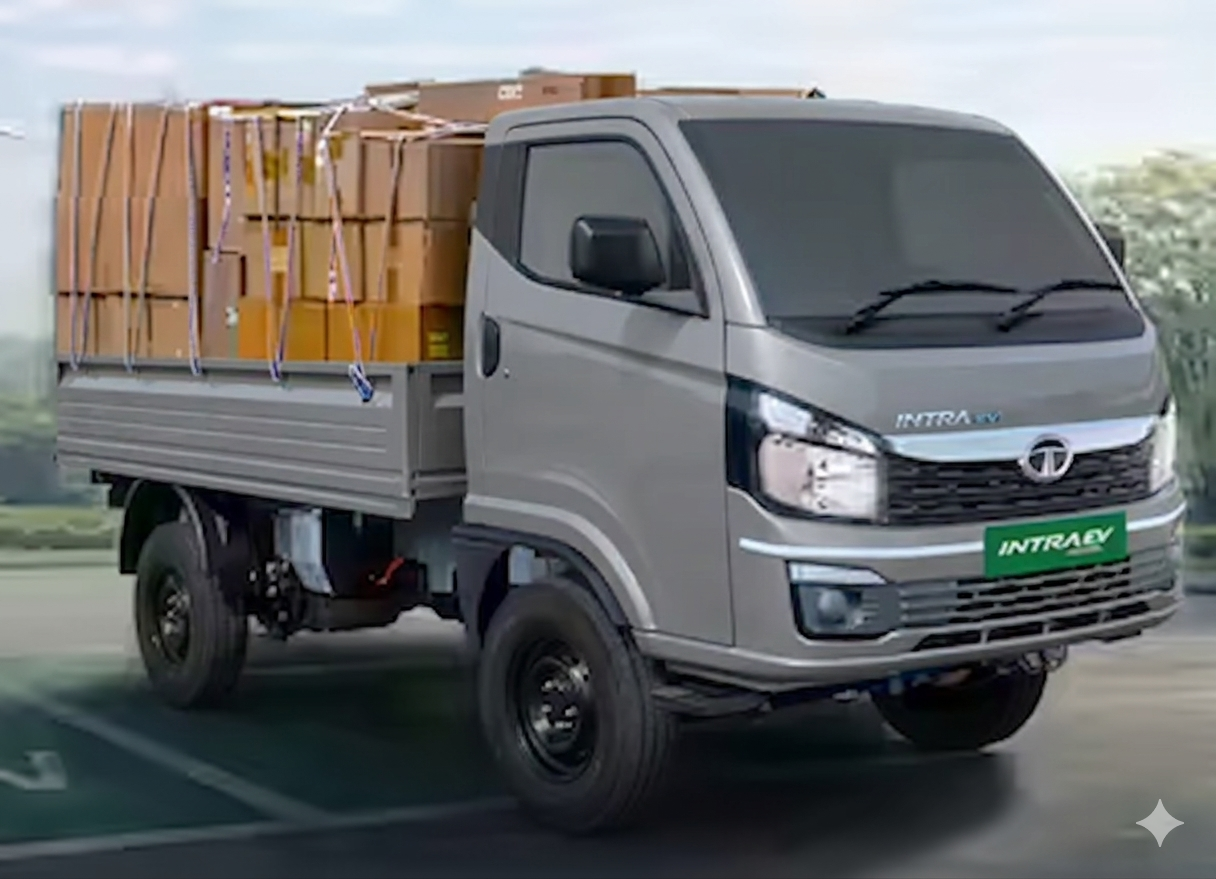
The launch of the Tata Intra EV Pickup at ₹11.95 lakh represents a significant milestone in the evolution of India’s commercial vehicle and B2B logistics ecosystem. This development is not merely about introducing a new electric vehicle; it reflects a broader shift toward electrification, operational efficiency, and sustainable business practices.
As industries across India undergo rapid digital and operational transformation, logistics, the backbone of B2B commerce, is also being redefined. Electric commercial vehicles are emerging as a critical enabler of this change, and this latest offering from Tata Motors highlights how manufacturers are aligning with the future needs of businesses.
Understanding the Market Context
India’s logistics and transportation sector is currently experiencing multiple pressures and opportunities. Rising fuel costs, stricter emission norms, and increasing demand for faster deliveries are pushing businesses to rethink traditional transportation models.
In parallel, the rapid expansion of e-commerce, quick commerce, and organized retail has created a surge in demand for efficient last-mile and intra-city delivery solutions. These evolving requirements are making electric vehicles more relevant than ever.
The introduction of the Tata Intra EV Pickup comes at a time when businesses are actively exploring alternatives that can balance cost efficiency with environmental responsibility.
Product Overview and Key Specifications
The Tata Intra EV Pickup is designed specifically for commercial use cases, with a focus on practicality, durability, and efficiency.
Key highlights include:
- Driving Range – Up to 211 km on a single charge, making it suitable for daily urban operations
- Payload Capacity – Up to 1,750 kg, enabling it to handle substantial cargo requirements
- Charging Capability – Fast charging from 10% to 80% in approximately 55 minutes
- Application Focus – Ideal for last-mile delivery, intra-city logistics, and SME transport needs
These specifications indicate that the vehicle is not intended for long-haul transportation but is optimized for predictable, high-frequency routes within cities and nearby regions.
Economic Impact on B2B Operations
One of the most critical factors influencing adoption in the B2B segment is the total cost of ownership (TCO). While the upfront investment in electric vehicles can be higher compared to traditional diesel vehicles, the long-term economic benefits are substantial.
1. Lower Operating Costs
Electric vehicles significantly reduce fuel expenses, as electricity is generally more cost-effective than diesel. For businesses operating daily delivery routes, this can translate into considerable savings over time.
2. Reduced Maintenance
EVs have fewer moving parts compared to internal combustion engine (ICE) vehicles. This results in lower maintenance costs, reduced downtime, and improved operational efficiency.
3. Predictable Expenses
Electric fleets allow businesses to better forecast operational costs, which is crucial for financial planning and scaling operations.
Enabling Sustainable Logistics
Sustainability is becoming a central theme in modern business strategy. Organizations are increasingly being evaluated not only on financial performance but also on their environmental impact.
The Tata Intra EV Pickup contributes to this shift by offering:
- Zero tailpipe emissions
- Reduced carbon footprint
- Alignment with environmental regulations
For companies with ESG (Environmental, Social, and Governance) goals, adopting electric vehicles is no longer optional, it is a strategic necessity.
Transforming Last-Mile Delivery
Last-mile delivery has become one of the most critical components of the supply chain, especially with the rise of e-commerce and on-demand services.
Electric pickups like the Tata Intra EV Pickup are well-suited for:
- E-commerce deliveries
- FMCG distribution
- Retail replenishment
- Courier and logistics services
Their ability to operate efficiently within city limits, combined with lower running costs, makes them ideal for high-frequency delivery models.
Integration of Smart and Connected Features
Modern commercial vehicles are increasingly integrated with digital technologies that enhance operational visibility and control.
The Tata Intra EV Pickup includes connected features that support:
- Real-time vehicle tracking
- Performance monitoring
- Predictive maintenance
These capabilities enable fleet operators to optimize routes, reduce downtime, and improve overall productivity.
Competitive Landscape and Industry Shift
The introduction of an electric pickup at this price point intensifies competition within the commercial vehicle segment.
Traditional diesel and CNG vehicles have long dominated the market due to:
- Lower upfront costs
- Established refueling infrastructure
However, electric vehicles are rapidly gaining traction due to their long-term economic and environmental advantages.
Challenges in Adoption
Despite the clear advantages, certain challenges continue to influence the pace of EV adoption in the B2B sector.
1. Charging Infrastructure
The availability of charging stations remains uneven, particularly outside major urban centers.
2. Initial Investment
Higher upfront costs can be a barrier for small businesses, even though long-term savings are significant.
3. Range Limitations
While suitable for city operations, EVs are not yet ideal for long-distance logistics.
However, ongoing investments in infrastructure and advancements in battery technology are expected to gradually overcome these limitations.
Opportunities for SMEs and Fleet Operators
Small and medium enterprises (SMEs) and fleet operators are among the biggest beneficiaries of this transition.
By adopting vehicles like the Tata Intra EV Pickup, they can:
- Reduce operational costs
- Improve delivery efficiency
- Enhance profit margins
- Build sustainable business models
For fleet operators managing multiple vehicles, the cumulative savings and efficiency gains can be substantial.
The Future of B2B Transportation in India
The launch of the Tata Intra EV Pickup aligns with India’s broader vision of transitioning toward electric mobility.
Government policies, incentives, and increasing awareness are accelerating this shift. Tata Motors continues to play a leading role in driving this transformation within the commercial vehicle segment.
Conclusion
The Tata Intra EV Pickup represents a significant step forward in redefining B2B logistics in India.
By combining cost efficiency, sustainability, and digital integration, it addresses the core challenges faced by modern businesses. Its introduction is likely to accelerate the adoption of electric vehicles across the commercial sector.
As companies continue to adapt to evolving market demands, one conclusion stands out clearly:
The future of B2B logistics will be electric, efficient, and data-driven, and this shift has already begun.