



Electric vehicles (EVs) have transitioned from a niche alternative to a defining force in the automotive industry. In 2025, the U.S. EV market reached record-breaking sales levels, signaling strong consumer demand and marking a turning point in the nation’s shift toward electrification. Beyond impressive numbers, this year reflects a deeper transformation, one that raises important questions about how automakers, policymakers, and consumers will shape the future of mobility.
Record EV Sales Signal Strong Consumer Demand
The U.S. electric vehicle market achieved historic milestones in 2025. More than 1.2 million light-duty EVs were sold in the first three quarters of the year, making it the strongest sales period on record. This surge highlights growing consumer confidence in electric vehicles and reinforces the idea that EVs are becoming a mainstream choice rather than an early-adopter trend.
The momentum peaked in Q3 2025, when approximately 438,000 EVs were sold, setting a new quarterly record. During this period, EVs accounted for over 10% of all new vehicle sales in the United States. This means that one in every ten vehicles sold was electric, an important milestone that reflects how deeply EVs are penetrating the broader automotive market.
What’s Driving EV Growth in 2025?
Several interconnected factors contributed to the sharp rise in EV sales throughout the year.
Expanded Vehicle Choices Across Segments
One of the strongest drivers of growth has been the rapid expansion of EV model availability. In 2025, consumers had access to a wide range of electric cars, SUVs, and pickup trucks at various price points. This diversity has allowed EVs to appeal to families, urban commuters, and commercial users alike.
Unlike earlier years, when EV options were limited and expensive, today’s market offers practical choices that align with everyday driving needs. More affordable models, longer driving ranges, and improved performance have removed many of the barriers that once slowed adoption.
Timing of Incentives and Purchase Decisions
Federal and state incentives played a notable role in accelerating EV purchases during 2025. As certain tax credits approached expiration or adjustment, many buyers advanced their purchase timelines to take advantage of available benefits. This behavior contributed to the sharp increase in sales during the middle of the year, particularly in the third quarter.
While incentives continue to influence buying decisions, the scale of adoption suggests that consumer interest in EVs now extends beyond short-term financial benefits alone.
Heightened Brand Competition and Awareness
Competition among automakers intensified in 2025, benefiting consumers through better pricing, innovation, and marketing. Legacy manufacturers expanded their electric lineups, while newer EV-focused brands continued to gain traction. As a result, consumers were presented with compelling alternatives across multiple categories.
This competitive environment helped raise awareness, normalize EV ownership, and build trust among buyers who were previously uncertain about electric vehicles.
Challenges Facing the EV Market
Despite strong performance, the EV market in 2025 was not without challenges.
Sales Volatility After Incentive Changes
While incentive-driven demand boosted sales earlier in the year, it also introduced volatility. Toward the end of 2025, some signs indicated a potential slowdown as incentives changed. This highlighted an ongoing challenge for the industry: EV sales in the U.S. remain partially dependent on policy support.
Long-term stability will require continued improvements in affordability, infrastructure, and value proposition to sustain growth independent of incentives.
Automaker Strategy Shifts
Another challenge emerged as some automakers reassessed their electrification strategies. While several companies doubled down on EV investments, others slowed production plans or shifted focus toward hybrids and transitional technologies.
These strategic adjustments reflect broader concerns about profitability, supply chain readiness, and consumer demand consistency. The divergence in approaches underscores the importance of flexibility as the industry navigates its electric transition.
The Future of Electric Vehicles
Looking ahead, the trajectory of EV adoption points toward continued growth, but with a more mature and competitive landscape.
Falling Battery Costs and Improved Economics
Battery technology remains central to the future of EVs. As battery costs continue to decline and energy density improves, EVs are expected to approach cost parity with internal combustion engine vehicles. This shift will reduce reliance on incentives and make electric vehicles more accessible to a broader audience.
Advancements in manufacturing efficiency and localized production are also expected to strengthen supply chains and stabilize pricing.
Charging Infrastructure Expansion
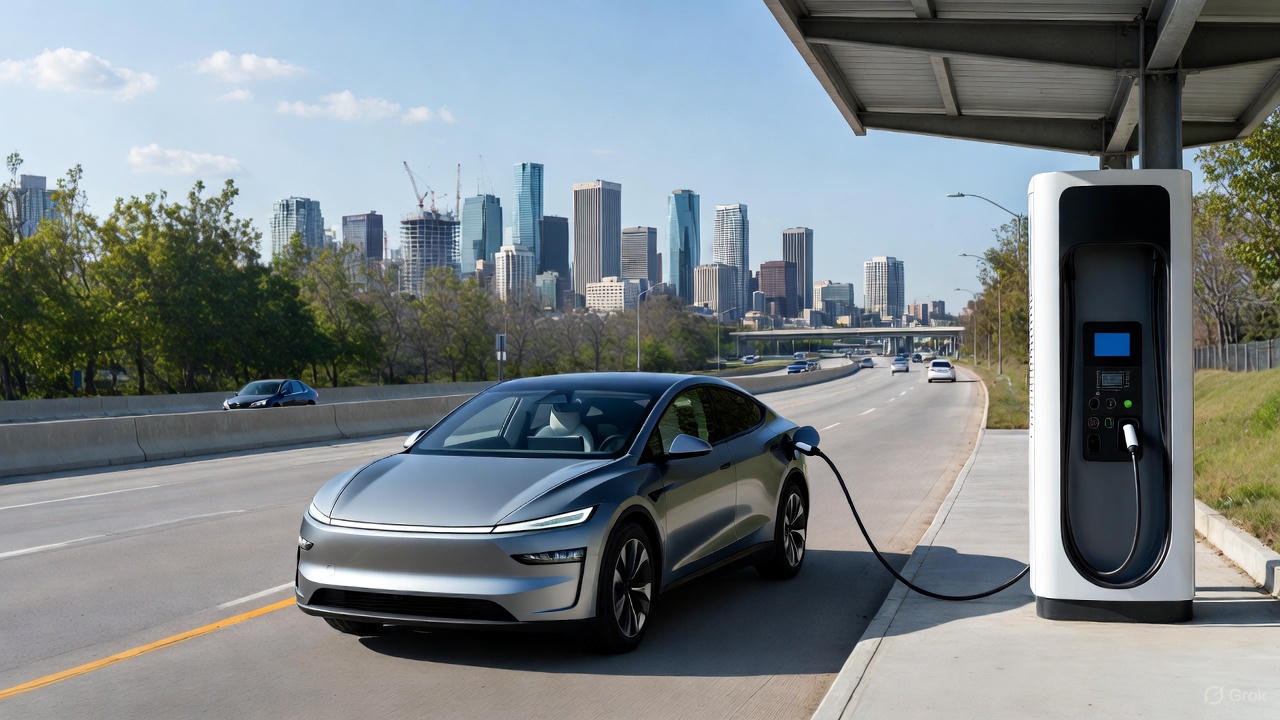
The expansion of charging infrastructure will play a critical role in sustaining EV growth. While major urban areas have made significant progress, broader coverage, especially in rural and underserved regions, will be essential.
Public-private partnerships and long-term infrastructure planning are expected to improve charging availability, reduce range anxiety, and support nationwide adoption.
Policy and Regulatory Support
Even as some incentives phase out, regulatory frameworks focused on emissions reduction and clean energy goals will continue to influence the market. State-level initiatives, fleet electrification programs, and infrastructure investment will remain important drivers of long-term momentum.
Conclusion:
The record EV sales of 2025 send a clear message: consumer demand for electric vehicles is real, growing, and increasingly resilient. With expanding model choices, improving technology, and rising awareness, EVs have firmly established themselves as a core component of the U.S. automotive market.
At the same time, challenges related to incentives, infrastructure, and manufacturer alignment will shape the next phase of growth. The future of EVs will depend on how effectively the industry adapts, balancing innovation, affordability, and scalability.
Ultimately, 2025 stands as a defining year, one that demonstrates both the promise of electrification and the work still required to ensure a sustainable, electric-driven future.